Training AI on Blockchain Data – Superpower or Privacy Nightmare?
 content-team
By Dr. Pooyan Ghamari, Swiss Economist and Visionary
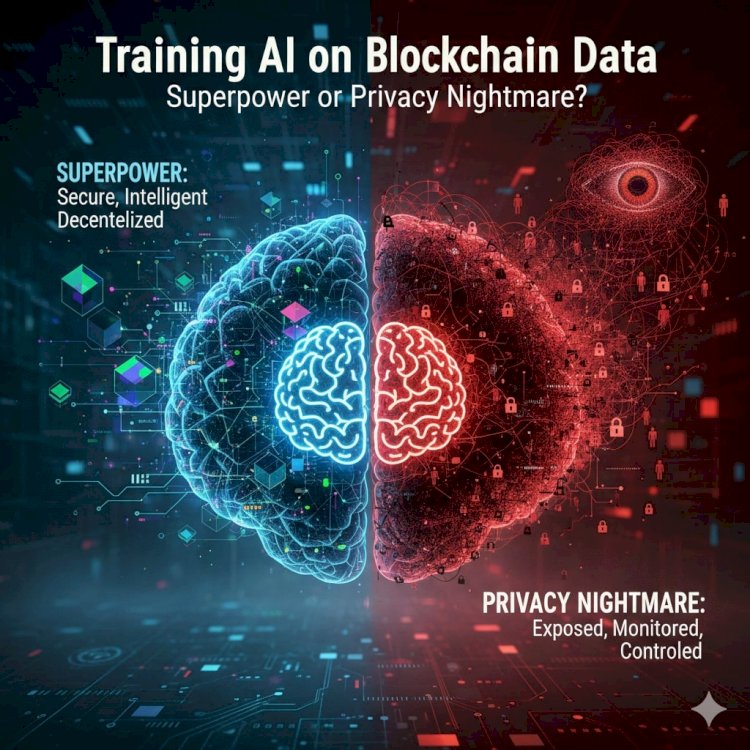
In an era where data is the new oil, the fusion of artificial intelligence and blockchain technology promises a revolution. But is this marriage a gateway to unprecedented innovation or a slippery slope into a dystopian surveillance state? As we delve into training AI models on blockchain data, we uncover a double-edged sword that could redefine our digital future.
The Blockchain Bonanza: A Treasure Trove for AI Hungry for Truth
Imagine a vast, unalterable ledger stretching across the globe, recording every transaction, smart contract, and digital footprint with ironclad transparency. Blockchain isn't just about cryptocurrencies; it's a decentralized database that defies tampering. For AI systems, this means access to verified, real-time data streams that are immune to the biases and manipulations plaguing traditional datasets. Training AI on such pristine information could supercharge predictive analytics, from forecasting market trends to optimizing supply chains. Picture AI algorithms that learn from Ethereum's smart contracts to automate legal agreements or analyze Bitcoin's transaction history to detect economic shifts before they hit the headlines. This isn't science fiction—it's the superpower unlocking efficiencies we never dreamed possible.
Decoding the Decentralized Dream: How AI Evolves in a Trustless World
At its core, blockchain's decentralized nature flips the script on data silos. No single entity controls the flow, allowing AI to tap into a collective intelligence that's borderless and boundless. Think of it as feeding a supercomputer with the wisdom of crowds, where every node contributes to a richer learning experience. In healthcare, AI trained on anonymized blockchain health records could accelerate drug discoveries without the red tape of centralized approvals. In finance, it might predict fraud with eerie accuracy by pattern-matching across global ledgers. The visionary appeal lies in empowerment: smaller players gain access to big-data insights, leveling the playing field in a world dominated by tech giants. Yet, this evolution begs the question—does true decentralization breed innovation, or does it invite unintended chaos?
The Shadow Side: When Transparency Turns into a Peering Eye
Flip the coin, and the allure fades into alarm. Blockchain's hallmark—immutability—means once data is etched in, it's there forever. Training AI on this eternal record could inadvertently expose personal details woven into transactions. Wallets linked to identities, spending habits revealing lifestyles, or even location data from tokenized assets: it's a privacy minefield. AI models, with their insatiable appetite for patterns, might infer sensitive information, like political affiliations from donation trails or health issues from pharmaceutical purchases. In a world where data breaches are daily news, this setup amplifies risks, turning blockchain's strength into a vulnerability. Is the promise of smarter AI worth the cost of eroding individual anonymity?
Navigating the Nightmare: Ethical Dilemmas in the Data Deluge
The privacy pitfalls don't stop at exposure; they extend to control. Who decides what blockchain data feeds into AI training? Decentralized networks sound democratic, but power often concentrates in the hands of validators or developers. Malicious actors could poison datasets, leading AI astray, or worse, weaponize insights for targeted manipulation. Consider a scenario where AI, trained on public ledgers, profiles users for discriminatory lending or invasive advertising. The nightmare intensifies with regulatory gaps—governments scrambling to catch up while tech races ahead. As a visionary economist, I see the urgency: we must forge ethical frameworks that prioritize consent and anonymization, lest we build a panopticon disguised as progress.
Balancing the Scales: Forging a Future Where Power Meets Protection
So, is training AI on blockchain data a superpower or a privacy nightmare? It's both, and neither—depending on how we wield it. The key lies in hybrid approaches: leveraging zero-knowledge proofs to preserve privacy while extracting value, or federated learning models that train AI without centralizing data. Visionaries must advocate for standards that amplify benefits while mitigating harms, ensuring this technology serves humanity, not subjugates it. As we stand at this crossroads, let's choose the path of enlightened innovation, where AI and blockchain unite to empower, not ensnare.
In the end, the true superpower emerges not from the tech itself, but from our collective wisdom in shaping its destiny.