
U.S. Canada Tariff Threat Sparks North American Economic Uncertainty
 content-team
Rising Tensions Between Neighbors
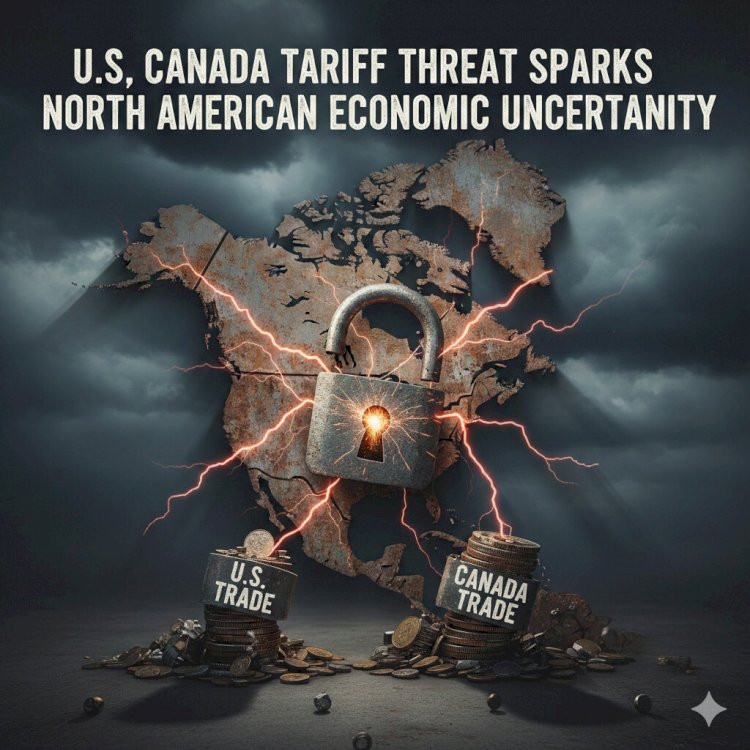
Tensions between the United States and Canada intensified this week after the U.S. president warned that a 100 percent tariff could be applied to Canadian goods if Ottawa proceeds with certain trade agreements involving China. The announcement has created uncertainty for governments, businesses, and consumers alike, raising questions about the stability of one of the world’s closest economic partnerships.
Potential Consequences for Trade
A tariff of this scale would affect a wide range of Canadian exports, including energy products, agricultural goods, raw materials, and manufactured items. Canada is a major supplier of resources and products critical to the U.S. economy, and such a move could disrupt supply chains and increase costs for industries on both sides of the border. Companies are already evaluating potential impacts on production, pricing, and delivery schedules.
Political Tensions Come to the Fore
The dispute reflects growing political friction between the two nations. U.S. officials argue that Canadian economic cooperation with China could undermine American interests, while Canadian leaders maintain their right to pursue independent trade agreements. The rhetoric from both sides has grown sharper, signaling that diplomatic negotiations will require careful handling to prevent escalation.
Impact on Citizens and Communities
Businesses and households in Canada and the United States are feeling the pressure. Producers of metals, energy, and agricultural goods worry about potential disruption to markets, while employees in affected industries face uncertainty regarding jobs and income. Consumers could experience higher prices for everyday products if tariffs are applied. The sense of unpredictability is contributing to public concern in cities and communities across both countries.
The Broader Trade Landscape
This latest escalation comes amid an already volatile global trade environment. Recent years have seen increased protectionist measures, with tariffs applied to industrial products and metals. Experts warn that punitive measures against close allies can slow economic growth, disrupt markets, and provoke retaliatory policies, complicating global commerce further.
Diplomatic Efforts and Negotiation Challenges
Canadian officials are actively engaging in diplomatic discussions to prevent the implementation of tariffs. Negotiations aim to balance the United States’ concerns with Canada’s desire to diversify trade relationships and maintain economic resilience. The outcome of these discussions will influence supply chains, investment decisions, and economic stability throughout North America.
A Relationship Tested
The U.S. and Canada share one of the most integrated economic relationships in the world, and the tariff threat challenges that foundation. Longstanding cooperation on trade, security, and cross-border commerce now faces unprecedented uncertainty. Businesses and governments must navigate a situation where trust and predictability are in question.
Looking Ahead
The coming weeks are critical for both nations. How leaders manage the dispute will affect workers, companies, and consumers on both sides of the border. While dialogue continues, the possibility of a major trade confrontation has highlighted the fragility of established economic relationships and the need for careful negotiation to maintain stability and confidence in North American markets.