EU Fast Tracks Massive Mercosur Trade Pact Despite French Fury and Legal Hurdles
 content-team
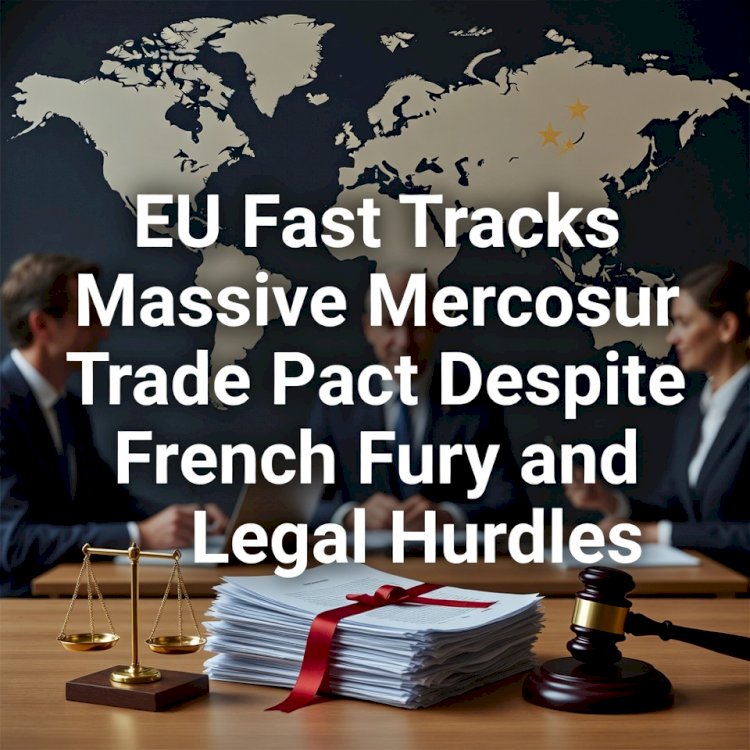
The European Union moved decisively Friday to provisionally implement its long awaited free trade agreement with South America's Mercosur bloc, overriding opposition from France and a pending legal challenge in the European Court of Justice. European Commission President Ursula von der Leyen announced the step following rapid ratifications by Argentina and Uruguay the previous day, positioning the EU to gain immediate economic benefits while full ratification proceeds.
The deal, finalized after more than twenty five years of negotiations and formally signed in January, creates one of the world's largest free trade zones encompassing over seven hundred twenty million people. It promises to eliminate tariffs on a vast array of goods, potentially slashing around four billion euros in duties on EU exports alone and boosting sectors from automobiles and machinery to pharmaceuticals and wine.
Provisional Application Kicks In After Key Ratifications
Von der Leyen emphasized the urgency of acting swiftly once Mercosur partners demonstrated commitment. Argentina and Uruguay completed their ratification processes Thursday, triggering the EU's authority, granted by member states in January, to apply the agreement provisionally. Brazil and Paraguay are anticipated to follow in the coming weeks, expanding the scope further.
Under provisional application, which could begin within two months after formal notifications, companies on both sides will start enjoying reduced tariffs and streamlined trade rules immediately. The Commission described the move as securing a crucial first mover advantage in a shifting global trade landscape marked by rising protectionism elsewhere.
France Leads Fierce Backlash Over Agricultural Impacts
French President Emmanuel Macron condemned the decision as a bad surprise and disrespectful to farmers, accusing the Commission of bad manners in bypassing full democratic scrutiny. France, the EU's top agricultural producer, has consistently opposed the pact, warning that surges in cheaper beef, poultry, sugar, and ethanol imports from Mercosur nations would devastate domestic producers already reeling from protests and high costs.
French farmers staged large demonstrations in recent months, with tractor convoys blocking roads and unions vowing continued resistance. Macron's government argued the deal fails to adequately protect European standards on environment, animal welfare, and food safety despite side letters and safeguards negotiated in the final text.
Legal Challenge Looms But Does Not Halt Progress
Last month, the European Parliament, driven largely by French and other skeptical lawmakers, referred the agreement to the EU's top court for review of its compatibility with EU law and international commitments. That process could delay full ratification by up to two years, yet provisional application remains legally permissible and unaffected in the interim.
Von der Leyen stressed the temporary nature of the step, noting the agreement requires ultimate consent from the European Parliament for permanent status. Supporters, including Germany and several other member states, hailed the progress as a strategic win for diversifying trade partnerships and countering dependencies.
Economic Promise Meets Environmental and Rural Concerns
Proponents highlight massive opportunities for EU exporters in Mercosur's growing markets and reciprocal access for South American commodities. The pact also includes chapters on sustainable development, labor rights, and climate commitments aimed at addressing deforestation worries in the Amazon.
Critics, including environmental groups and some MEPs, contend these provisions lack teeth and could accelerate ecological damage while undermining European farmers facing stricter regulations. The split exposes deep divisions within the bloc over globalization's costs and benefits.
Path Forward Amid Uncertainty
As provisional tariffs begin phasing out for early ratifiers, businesses on both continents prepare to capitalize on new openings. The Commission's bold push underscores determination to lock in gains despite domestic pushback and judicial scrutiny.
Whether provisional implementation builds momentum for eventual full approval or fuels intensified opposition remains uncertain. With Brazil and Paraguay's ratifications pending and court proceedings underway, the coming months will test the EU's ability to balance ambitious trade goals against internal cohesion and external challenges in an increasingly fragmented world economy.