Escalation and Diplomacy with Iran: U.S. Sends Mixed Signals as Geneva Talks Stall and Gulf Tensions Rise
 content-team
February 21, 2026
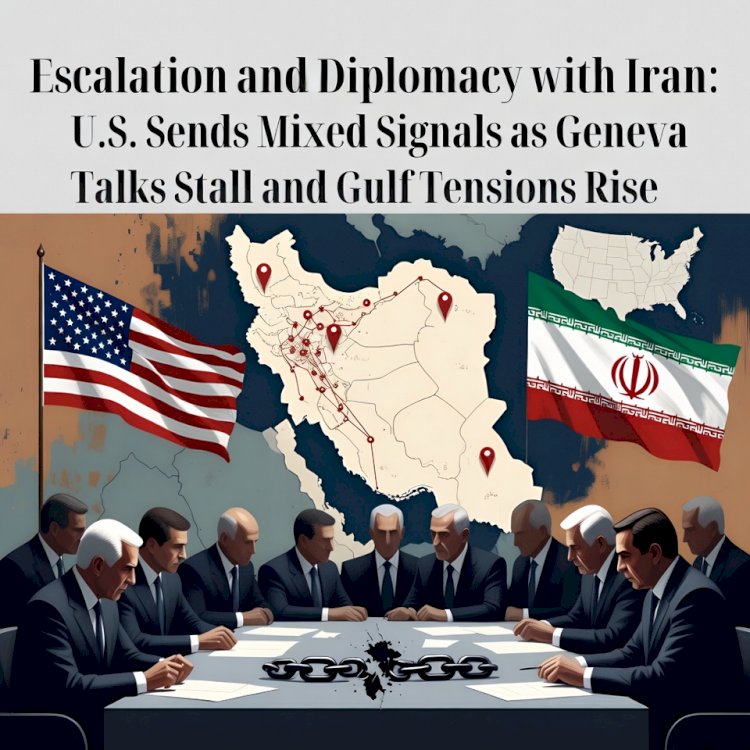
The United States and Iran remain locked in a tense standoff today, balancing aggressive military posturing with last-ditch diplomatic efforts following the collapse of indirect nuclear talks in Geneva last night. With no agreement reached on uranium enrichment limits or sanctions relief, both sides have escalated rhetoric and military readiness, raising fears of miscalculation in the Persian Gulf and beyond.
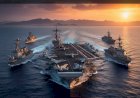
U.S. Central Command announced early this morning that the USS Abraham Lincoln carrier strike group has been joined by the USS Dwight D. Eisenhower in the Arabian Sea, creating the largest U.S. naval presence in the region since 2020. Pentagon spokesman Maj. Gen. Pat Ryder described the deployment as “a defensive measure to protect freedom of navigation and deter aggression,” but did not rule out preemptive strikes if Iran moves toward weapons-grade enrichment or attacks U.S. assets.
Iran responded by conducting large-scale naval drills in the Strait of Hormuz involving fast-attack boats, anti-ship missiles, and submarine forces. Revolutionary Guard commander Gen. Hossein Salami warned that “any hostile act against Iranian vessels or territory will be met with crushing force across multiple domains.” Tehran also reportedly moved additional missile batteries to coastal positions overlooking the Strait, through which roughly 20% of global oil trade passes.
Despite the military buildup, diplomatic channels remain open. Omani Foreign Minister Badr al Busaidi, who mediated the failed Geneva round, confirmed that technical-level talks will resume in Muscat in mid-March. Iranian Foreign Minister Abbas Araghchi told state media that Tehran is “still prepared to negotiate seriously” if the U.S. first lifts the new tariffs on petrochemicals and metals imposed earlier this month. U.S. Special Envoy Robert Malley countered that “no sanctions relief is possible without verifiable, permanent curbs on enrichment and missiles.”
Key Escalation Flashpoints
- Nuclear program: Iran’s stockpile of 60%-enriched uranium now exceeds 140 kg — enough for several weapons if further enriched to 90%. IAEA inspectors report continued installation of advanced centrifuges at Fordow.
- Gulf naval presence: U.S. has two carrier strike groups, multiple destroyers, and submarines in the region. Iran has deployed additional fast boats and missile batteries along the coast.
- Proxy threats: Hezbollah, the Houthis, and Iraqi militias have all raised their alert levels. Houthi forces launched two anti-ship missiles toward commercial shipping lanes yesterday, both intercepted by U.S. warships.
- Oil markets: Brent crude futures rose 3.8% today, briefly topping $90 per barrel, as traders price in Strait of Hormuz disruption risk.
European Union High Representative Kaja Kallas urged both sides to “avoid actions that could lead to unintended escalation.” UN Secretary-General António Guterres called for “maximum restraint” and offered to convene emergency talks under UN auspices.
Israel Prime Minister Benjamin Netanyahu warned that “Iran is closer than ever to nuclear breakout capability” and said Israel “will not wait indefinitely” for diplomacy to succeed. Saudi Arabia and the UAE expressed concern over stalled talks but reiterated support for diplomatic efforts.
The coming days are widely viewed as a critical test. With the JCPOA snap-back mechanism still active until October 2025 and Iran’s breakout time now estimated at weeks rather than months, diplomats warn that the margin for error is shrinking rapidly. Markets, energy traders, and regional capitals remain on high alert as the U.S. and Iran navigate the razor-thin line between escalation and renewed diplomacy. Live updates continue from major international broadcasters and official government channels.