Tensions Mount as U.S. Armada Moves Into Middle East
 content-team
Major Naval Forces Deployed
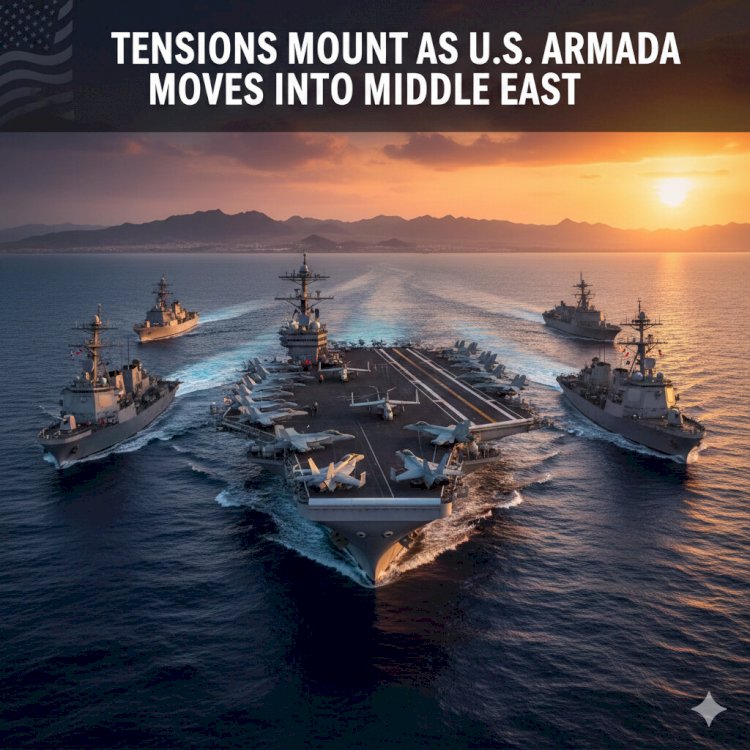
The United States has sent a significant naval armada to the Middle East amid rising tensions with Iran and other regional powers. The deployment includes an aircraft carrier strike group accompanied by guided‑missile destroyers, support vessels, and logistical ships. Officials describe the move as a precautionary measure intended to protect U.S. interests and deter potential aggression in the Persian Gulf and surrounding waters.
High Alert Across the Region
Military installations and naval bases throughout the region are on heightened alert. U.S. commanders have emphasized that the deployment is defensive in nature but have made clear that the armada is fully capable of responding to any threats. Analysts note that the sheer scale of the operation underscores the seriousness with which the United States views current developments.
Iranian Warnings and Preparedness
Iran has responded with strong rhetoric, warning that any attack on its forces or territory would be considered an act of war. The country has increased readiness across its military branches, including naval, air, and missile units. Iranian leaders have stressed that they are prepared for a range of contingencies, raising concerns about the potential for escalation or miscalculation.
Impact on Civilian Life and Commerce
The military buildup is affecting civilian and commercial activity. Airlines have temporarily altered flight paths to avoid risk zones, and shipping companies are revising routes in key waterways. Regional governments are advising citizens to remain vigilant and prepared for disruptions, while markets are reacting to fears of increased instability.
Regional Political Context
The current crisis unfolds amid ongoing unrest in Iran and neighboring countries. Domestic protests, government crackdowns, and regional rivalries have created a volatile backdrop that heightens the risk associated with military deployments. U.S. officials have emphasized the dual goal of protecting personnel and maintaining stability while signaling to regional actors that aggressive actions will not be tolerated.
Diplomatic Channels Remain Active
Despite the tense military posture, diplomatic efforts continue behind the scenes. U.S. and regional diplomats are in ongoing discussions aimed at preventing escalation and reducing the risk of conflict. Officials from multiple countries are working to balance deterrence with dialogue to avoid an incident that could spiral into a broader confrontation.
Potential Consequences
The deployment of a large naval force signals a critical moment for security in the Middle East. Experts warn that even minor incidents could rapidly escalate given the concentration of military assets and heightened tensions. The situation has global implications, including potential impacts on energy markets, shipping routes, and regional security alliances.
A Fragile Balance
As the U.S. armada moves into position, the Middle East remains on edge. Both Washington and Tehran are navigating a delicate balance between demonstrating strength and avoiding open conflict. The coming days are expected to be decisive, as military readiness, diplomatic engagement, and regional responses converge to shape the trajectory of this high-stakes standoff.