US-Iran Nuclear Talks in Geneva End Without Breakthrough Amid Mutual Rejections
 content-team

February 18, 2026
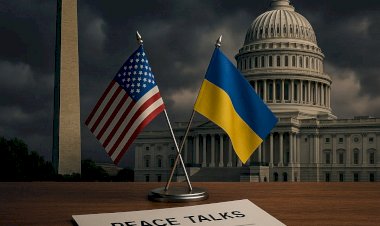
The second round of indirect nuclear negotiations between the United States and Iran concluded in Geneva on February 17 without any significant progress, as both sides issued contradictory assessments and rejected core demands from the other. The talks, mediated by Oman and hosted by Switzerland, focused on Iran's uranium enrichment program, ballistic missile capabilities, and potential sanctions relief, but ended with no agreement on guiding principles or a path forward, according to statements from U.S. and Iranian officials.
U.S. Vice President JD Vance, speaking on Fox News shortly after the talks, stated that there had been no breakthrough and that Iran had failed to acknowledge key U.S. red lines, including a complete halt to uranium enrichment beyond civilian levels and limits on ballistic missile development. "We set several red lines that the Iranians are not yet willing to acknowledge and work through," Vance said. A U.S. official later confirmed to Western media that the parties agreed to resume discussions in two weeks but described the gaps as substantial.
Iranian Foreign Minister Abbas Araghchi offered a more optimistic but cautious view, telling Iranian media that the talks were "more constructive" than the first round and that both sides had reached a general agreement on some guiding principles. However, Araghchi reiterated Iran's refusal to negotiate under coercion, insisting that the U.S. must first lift illegal sanctions and return to the 2015 Joint Comprehensive Plan of Action (JCPOA) before any concessions on enrichment or missiles could be discussed. "We will never accept zero enrichment," Araghchi emphasized.
Iranian Supreme Leader Ali Khamenei reinforced this position in a speech on February 17, rejecting U.S. demands to halt uranium enrichment and limit ballistic missiles, describing them as "essential and obligatory" for Iran's defense. Khamenei stated that Iran's nuclear industry is a "right" and has "nothing to do with" the United States.
Context of the Talks
The Geneva discussions occurred amid heightened military tensions, with the U.S. deploying additional warships to the region, including a second aircraft carrier, as President Donald Trump has threatened strikes if a deal cannot be reached. Iran has responded with military drills in the Strait of Hormuz, disrupting oil routes and signaling readiness for escalation.
The talks follow the first round in Muscat, Oman, on February 6, where both sides established a framework but made no concessions. Iran's stockpile of near-weapons-grade uranium is now estimated at over 140 kg, enough for several nuclear weapons if further enriched, according to IAEA reports. The U.S. has demanded a return to the JCPOA's 3.67 percent enrichment cap, dismantlement of advanced centrifuges, and curbs on missile programs, while Iran seeks unconditional sanctions relief and recognition of its right to enrich up to 20 percent for peaceful purposes.
Mediators, including Omani Foreign Minister Badr al Busaidi, described the atmosphere as "not great" but noted good progress on technical issues. A third round is tentatively scheduled for early March, potentially in Geneva or Muscat.
Reactions and Implications
European Union High Representative Kaja Kallas called the lack of breakthrough "disappointing but not unexpected" and urged both sides to avoid further escalatory actions. Israel Prime Minister Benjamin Netanyahu warned that any deal leaving Iran's enrichment infrastructure intact is "unacceptable," while Saudi Arabia expressed concern over stalled progress but supported continued diplomacy.
Oil prices rose modestly by 0.5 percent in Asian trading on February 18, reflecting fears of potential Strait of Hormuz disruptions. Global markets remain on edge as the risk of miscalculation grows.
The stalled talks highlight the deep mistrust between Washington and Tehran, with Iran's rejection of U.S. red lines making a near-term deal unlikely unless one side alters its position. Diplomats warn that the JCPOA's snap-back mechanism expires in October 2025, narrowing the window for revival. Official statements and updates are available through the UN, EU, and Swiss foreign ministry channels.