Tehran's Toxic Trap: Iranian Capital Tops Global Pollution Charts as Winter Smog Strangles City
 content-team
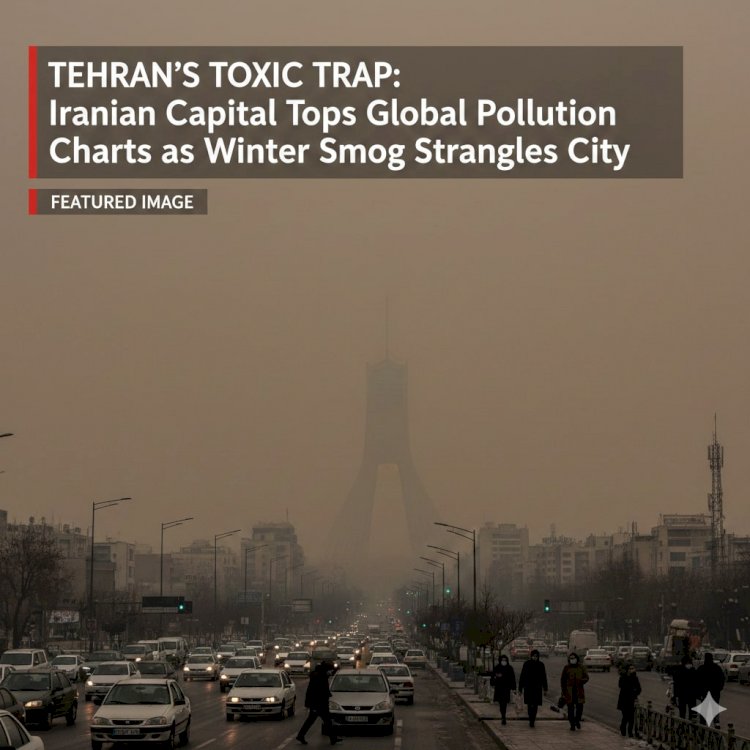
Tehran awoke to a familiar foe on November 30, 2025: air so thick with toxins it blotted out the Alborz Mountains, earning the Iranian capital the dubious honor of world's most polluted major city for the third time this month alone. According to IQAir's real-time global rankings and the November 2025 update from the State of Global Air report, Tehran's PM2.5 levels averaged 298 µg/m³ this week—nearly 60 times the World Health Organization's safe threshold of 5 µg/m³—surpassing even Delhi and Lahore in a smog showdown that has triggered school closures, emergency health alerts, and desperate calls for action from a population of 9.5 million gasping for clean air.
Live AQI Snapshot – 10:45 IRST, November 30
- Tehran (citywide): 298 (Hazardous)
- Central districts (e.g., Enghelab Square): 365
- Southern suburbs (Shahr-e Rey): 412 (peak reading)
- Northern edges (Tajrish): 287
This isn't a one-off haze—it's a seasonal siege. Late November's cold snap has locked in a brutal temperature inversion, trapping emissions from 5 million vehicles, coal-choked power plants, and unchecked construction dust under a stagnant atmospheric lid. The result? A gray veil that stings eyes, scorches throats, and infiltrates lungs, with visibility dropping below 1 km in central Tehran by midday.
Inversion Inferno: The Perfect Pollutant Prison
Tehran's winter woes are a toxic trifecta: geography, industry, and inaction. Nestled in a high-desert basin ringed by mountains, the city becomes a natural bowl when cold air sinks in November, sealing pollutants aloft like a pressure cooker. Mazut—the cheap, sulfur-heavy fuel oil burned in power plants amid gas shortages—pours out black smoke, while aging refineries and brick kilns belch particulates unchecked. Add 4.5 million cars daily navigating gridlock on subpar fuel, and the math is merciless: PM2.5 readings that eclipse global averages by 40 times.
Health Minister Bahram Einollahi declared a "red alert" yesterday, linking the spike to a 280% surge in respiratory cases over the past week. Hospitals like Imam Khomeini overflow with asthmatics and cardiac patients; pediatric wards report a 35% uptick in child admissions for bronchitis. "We're seeing lifelong damage in kids who haven't even hit puberty," lamented pulmonologist Dr. Reza Mohammadi in a Tehran Times interview, citing studies showing Tehran's air shaves 4-6 years off life expectancy. The November State of Global Air report pegs Iran at 1.2 million annual pollution deaths—Tehran alone claiming 15,000.
From Fireworks to Factory Fumes: November's Pollution Perfect Storm
This month's escalation kicked off with Chaharshanbe Suri bonfires on March 20 (delayed reporting due to Nowruz), but November's real villain is industrial overdrive. Sanctions since 2018 have crippled upgrades—Tehran's aging fleet runs on leaded gasoline, and factories skirt emission caps to meet winter heating demands. A November 28 satellite analysis by the European Space Agency revealed 1,200 active burn sites in southern Iran, funneled northward by winds.
Government responses feel frantic but familiar: odd-even license plate restrictions reinstated until December 5, 1,000 metro trains added hourly, and factories ordered to slash output 40%. Tehran Mayor Alireza Zakani touted "smart sprinklers" on 500 streets to settle dust, but critics like environmental activist Sima Mirpour call it "smoke and mirrors." "We've had these plans since 2017—where's the enforcement?" she asked at a November 29 protest in Valiasr Square, where 2,000 masked demonstrators demanded "air justice" amid chants of "Breathe Free Tehran."
The Supreme Leader's office, in a rare environmental nod, issued a directive on November 27 urging "immediate action from all bodies," but implementation lags. A proposed $2 billion clean-air fund, floated in October, remains stalled in parliament amid budget woes.
Global Gaze, Local Gasps: Protests and a City's Suffocating Cry
Tehran's plight isn't isolated—it's a siren for the world. IQAir's November rankings place it atop the list for 18 of 30 days, with 10 of the global top 20 polluted spots in the Middle East. The UN's Inger Andersen warned at a COP30 preview: "Tehran's air is a canary in the coal mine for urban climate failure." Domestically, hashtags like #تهران_نفس_نمیکشد (#TehranCan'tBreathe) exploded with 1.2 million posts this week, blending memes of smog-shrouded Milad Tower with pleas for reform.
On the ground, survival is DIY: N95 masks sell out at pharmacies (prices up 150%), air purifiers vanish from shelves, and wealthier families flee to Caspian resorts. For the poor in southern Tehran's slums—where AQI hits 450—options dwindle to wet cloths over faces. "My son's inhaler costs more than our rent," shared a mother from Rey district, her words echoing in viral videos that have drawn international sympathy from outlets like BBC Persian.
Faint Flickers of Hope: Tech and Tough Talk
Silver linings glimmer amid the gray. Startups like Airvisa's AI pollution trackers—deployed on 200 buses—offer granular data for hotspots, while a November 25 pilot of electric tuk-tuks in Ekbatan aims to cut emissions 15%. Iran's Environment Protection Organization eyes a 2026 ban on mazut, but U.S. sanctions throttle funding—$1.5 billion in stalled green tech imports since 2020.
As December looms, Tehran's inversion may lift with warmer winds, but experts predict a repeat next winter without systemic shifts: stricter factory audits, regional emission pacts with Iraq and Turkey, and subsidy overhauls for clean fuel. For now, the city exhales in fits—coughing, protesting, persisting. In the shadow of the Alborz, Tehran's fight for breath is a global call: clean air isn't luxury; it's lifeline. Will 2026 dawn clearer, or just more clouded? The haze waits for no one.