Nationwide 'National Shutdown' Protests Erupt Against Trump's Immigration Crackdown
 content-team
January 31, 2026
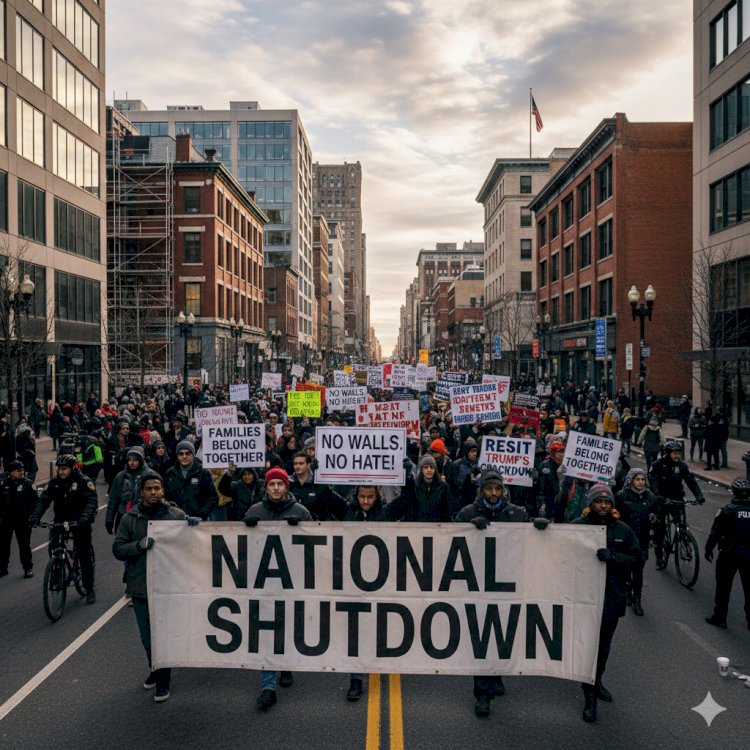
Tens of thousands of demonstrators paralyzed parts of major U.S. cities Friday in a coordinated "National Shutdown" strike, walking out of schools, closing businesses, and boycotting shopping to condemn the Trump administration's aggressive immigration enforcement tactics. The actions, which organizers dubbed "ICE Out," centered on demands to withdraw federal agents from communities, particularly Minneapolis, following the fatal shootings of two U.S. citizens by immigration officers earlier this month.
Protests spanned all 50 states and Washington DC, with clashes reported in Los Angeles and large rallies in Minneapolis, New York, Chicago, and Los Angeles. The day of disruption built on outrage over the deaths of Renee Good and Alex Pretti in Minneapolis, where federal operations under "Operation Metro Surge" have deployed thousands of ICE and Border Patrol agents.
Nationwide Strike Disrupts Daily Life
Organizers called for "no work, no school, no shopping" to highlight economic leverage against what they described as ICE's reign of terror. Students staged walkouts from high schools and universities in cities including Atlanta, Gainesville, Florida, and Tucson, Arizona. Businesses in Portland, Oregon, New York, and other locations shuttered for the day or donated proceeds to immigrant advocacy groups.
In Minneapolis, thousands marched downtown in sub-freezing temperatures, chanting demands for ICE withdrawal and chanting slogans against federal overreach. Bruce Springsteen and Tom Morello performed at a benefit concert supporting the families of the deceased. Similar scenes unfolded nationwide, with traffic blockades in Los Angeles, marches in Philadelphia, and rallies outside congressional offices.
The strike followed a smaller action in Minnesota the previous week and preceded a planned "ICE Out of Everywhere" day of action Saturday featuring over 300 demonstrations, vigils, and marches at ICE facilities, detention centers, and field offices.
Triggered by Fatal Encounters in Minneapolis
The wave of protests stems directly from incidents in Minneapolis. On January 7, ICE agent Jonathan Ross fatally shot Renee Good, a 37-year-old mother, behind the wheel of her vehicle during an enforcement operation. On January 24, Border Patrol officers shot and killed Alex Pretti, a 37-year-old intensive care nurse recording agents on his cellphone.
The Department of Justice announced a civil rights probe into Pretti's death, while public anger focused on the administration's mass deportation push and tactics in sanctuary-leaning areas. President Trump has defended the operations, stating no plans exist to pull agents from Minneapolis despite Border Czar Tom Homan mentioning a potential drawdown plan.
Administration Faces Mounting Criticism
Trump officials have emphasized the actions fulfill campaign promises to secure borders and deport millions illegally present. Critics, including Democratic lawmakers and immigrant rights groups, accuse the administration of excessive force and targeting U.S. citizens, fueling calls to defund or abolish ICE.
Protesters demand arrests for involved agents, immediate ICE withdrawal from Minnesota, expanded protections for immigrant students, and broader reforms to halt raids in communities.
Weekend Actions Signal Continued Momentum
Saturday's demonstrations aim to sustain pressure, with events ranging from overpass banners to community trainings on observing ICE activities. Organizers from groups like 50501 predict widespread participation, including pressure on corporations cooperating with ICE and lawmakers to block DHS funding without reforms.
As the administration presses forward with enforcement, these protests highlight deepening national divisions over immigration policy. With economic disruptions and public demonstrations growing, the coming days will test whether the unrest forces policy adjustments or hardens positions on both sides. For now, the streets remain a battleground for competing visions of security and justice in America's immigration debate.