Massive Fraud Scandal Rocks Minnesota: Billions in Taxpayer Funds Allegedly Stolen in Social Services Schemes
 content-team
December 30, 2025
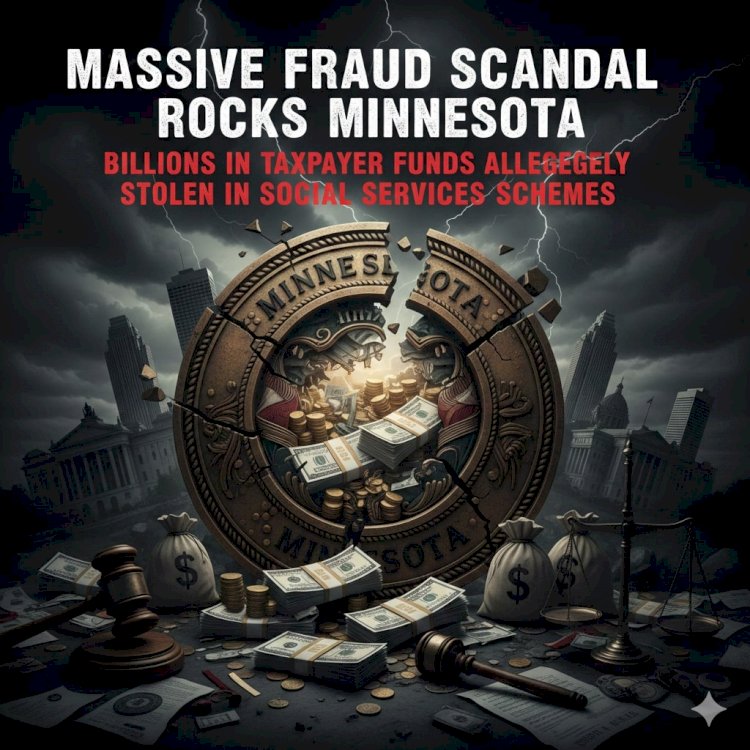
Federal authorities have intensified investigations into what prosecutors describe as "industrial-scale" fraud in Minnesota's social services programs, with estimates suggesting losses could exceed $9 billion from funds intended for child nutrition, housing, autism therapy, and other aid—much of it linked to defendants from the state's Somali-American community.
Surge in Federal Resources Targets Widespread Schemes
The FBI and Department of Homeland Security announced a major deployment of personnel to Minnesota to probe allegations of rampant fraud, including at childcare centers. FBI Director Kash Patel called existing prosecutions "the tip of a very large iceberg," emphasizing efforts to dismantle networks exploiting federal programs.
A viral video highlighting allegedly inactive daycare facilities receiving millions in public funds sparked renewed scrutiny, though investigations predated the footage. Prosecutors revealed cases of "fraud tourism," where out-of-state individuals targeted Minnesota programs perceived as easy marks.
Origins in Pandemic Relief: The Feeding Our Future Case and Beyond
The scandal traces back to the COVID-era expansion of child nutrition programs, where the nonprofit Feeding Our Future and affiliates allegedly claimed reimbursements for millions of nonexistent meals. Over 70 defendants have been charged in this $250 million scheme alone, with more than 60 convictions secured.
Fraud extended to other areas: autism services, housing stabilization, home health care, and Medicaid-related programs. Assistant U.S. Attorney Joseph Thompson stated that half or more of $18 billion disbursed since 2018 across 14 high-risk programs may have been stolen, describing daily discoveries of new $50 million schemes.
Many defendants used proceeds for luxury purchases—lakefront homes, high-end vehicles, jewelry, and exotic vacations—while wiring substantial sums overseas, including to Kenya and Somalia.
Community Impact and Political Firestorm
While the majority of charged individuals are of Somali descent, community leaders stress that wrongdoing by a minority should not stigmatize Minnesota's large Somali-American population, home to hardworking families contributing significantly to the state.
President Donald Trump has highlighted the cases, labeling Minnesota a "hub of fraudulent money laundering activity" and criticizing oversight under former Gov. Tim Walz. Allegations of links to overseas entities, including potential indirect flows to militant groups via remittances, remain under review, though prosecutors found no evidence of direct terrorism funding.
Recovery Efforts and Ongoing Probes
Authorities have recovered only a fraction of stolen funds, with challenges in tracing overseas assets. New charges continue, including recent indictments for housing and childcare fraud.
State officials have tightened oversight, closing vulnerable programs and enhancing audits, while federal raids and door-to-door operations signal escalated enforcement.
As investigations deepen into 2026, the scandal raises stark questions about program vulnerabilities, accountability, and the safeguards needed to protect taxpayer dollars meant for society's most vulnerable.
In a state long praised for its social safety net, this sprawling fraud wave serves as a cautionary tale of how lax controls can enable staggering abuse—demanding reforms to restore trust and prevent future losses.