Trump Nominates Kevin Warsh as Next Federal Reserve Chair in Major Economic Shakeup
 content-team
January 30, 2026
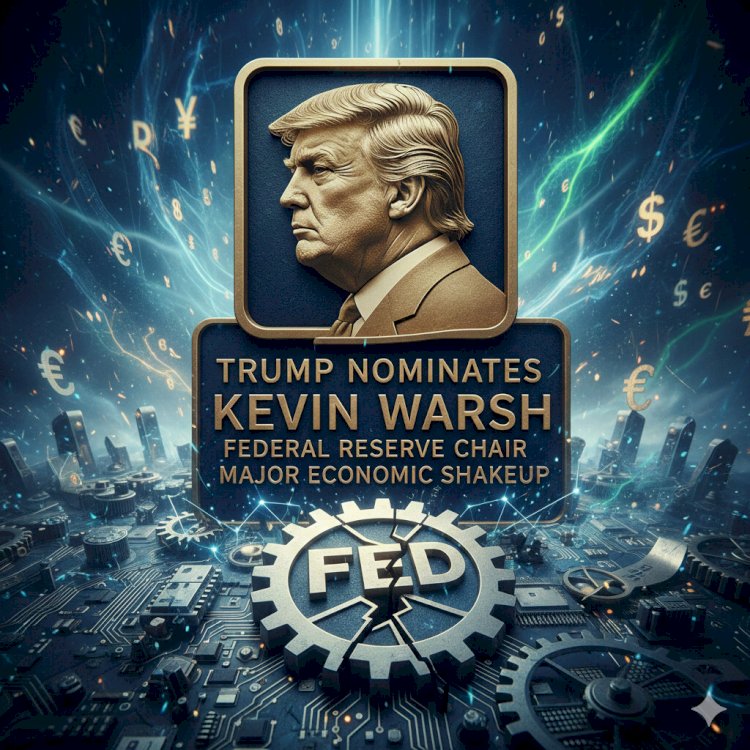
President Donald Trump announced Friday that he will nominate Kevin Warsh, a former Federal Reserve governor and longtime critic of the central bank's recent policies, to serve as the next chair of the Federal Reserve. The pick ends months of speculation and positions a figure aligned with Trump's push for lower interest rates to lead the world's most influential central bank when Jerome Powell's term as chair concludes in May.
If confirmed by the Senate, Warsh would assume the role at a pivotal moment for U.S. monetary policy, amid ongoing debates over inflation, economic growth, and the Fed's independence from political pressures.
Trump Praises Pick as Path to Stronger Growth
Trump made the announcement via social media, describing Warsh as someone he has known for a long time and predicting he would become one of the greatest Fed chairs in history, perhaps the best. The president has repeatedly criticized Powell for maintaining higher interest rates, arguing they hinder economic expansion and job creation.
The nomination follows an extensive vetting process led by Treasury Secretary Scott Bessent, who narrowed a list of candidates and presented finalists to the president. Warsh emerged as the choice after being considered during Trump's first term but not selected at that time.
Warsh's Background and Views on the Fed
Warsh served as a Federal Reserve governor from 2006 to 2011, navigating the institution through the global financial crisis. A Wall Street veteran before joining the Fed, he later became a fellow at the Hoover Institution and a lecturer at Stanford Graduate School of Business.
In recent years, Warsh has been vocal about what he calls "mission creep" at the central bank, criticizing expansions into areas beyond traditional monetary policy. He has advocated for a more focused approach to price stability and has signaled openness to lower rates in the current environment, aligning with Trump's public demands for aggressive easing to boost growth.
Warsh has emphasized that the Fed should remain independent from direct presidential interference but should not be insulated from legitimate criticism, a stance that could resonate in Republican circles while raising questions among those wary of politicizing the institution.
Market Reactions and Immediate Implications
Financial markets responded with a mix of relief and caution to the news. The U.S. dollar strengthened in early trading, reflecting expectations that Warsh might pursue a policy path more supportive of growth without immediate aggressive cuts that could fuel inflation concerns. Bond yields ticked lower, and equity futures showed modest gains as investors digested the potential shift away from Powell's more cautious stance.
The nomination comes against a backdrop of recent market volatility, including sharp declines in technology stocks, precious metals, and cryptocurrencies, partly attributed to uncertainty over Fed leadership and broader macro signals.
Senate Confirmation Battle Looms
Warsh now faces what could be a contentious Senate confirmation process. As a Republican nominee in a potentially divided Senate, his past criticisms of the Fed and alignment with administration priorities may draw scrutiny from Democrats concerned about eroding central bank independence.
Supporters highlight his experience during the financial crisis and his establishment credentials in economic policy circles, predicting smooth sailing among GOP lawmakers. The process will also involve Warsh's separate nomination to rejoin the Fed Board of Governors, as the chair role requires board membership.
Broader Impact on Economic Policy Ahead
The selection represents one of Trump's most significant economic appointments in his second term, potentially reshaping monetary policy direction for years. With Powell's chair term ending in May, Warsh could influence rate decisions through the second half of 2026 and beyond, affecting borrowing costs, investment, and global financial stability.
Analysts will watch closely for signals on how Warsh balances inflation control with growth objectives, especially given persistent questions about fiscal policy, trade, and geopolitical risks. The nomination underscores the administration's intent to exert greater influence over the Fed while navigating the delicate balance of central bank autonomy.
As confirmation hearings approach, the choice of Warsh sets the stage for intense debate over the future of American monetary policy and its role in supporting the president's economic agenda. The coming months will determine whether this pick delivers the stability and growth Trump envisions or sparks new tensions in an already polarized economic landscape.