Mexico Grapples with Deepening Humanitarian Emergency Amid Cartel Violence and Migration Strains
 content-team
February 24, 2026
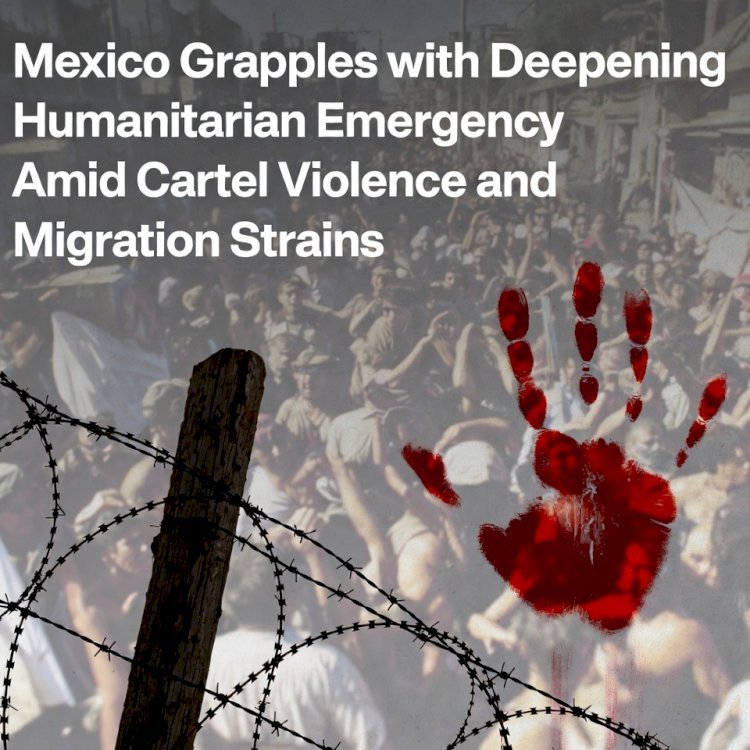
Mexico confronts a multifaceted humanitarian crisis intensified by explosive cartel violence, massive internal displacement, and a backlog of migrants trapped in precarious conditions, with recent events pushing the nation toward greater instability.
The killing of Nemesio Oseguera Cervantes, leader of the powerful Jalisco New Generation Cartel, in a military operation last weekend unleashed widespread retaliatory attacks. Gun battles, road blockades, vehicle burnings, and assaults on infrastructure erupted across Jalisco and spilled into neighboring states including Michoacan, Guanajuato, Nayarit, Tamaulipas, and Baja California. Authorities report at least 74 deaths, including numerous security personnel, in the initial chaos, with the situation remaining volatile despite some easing of immediate unrest.
Cartel Clashes Disrupt Daily Life and Services
Communities in affected regions face severe disruptions. Schools closed, public transport halted temporarily, and essential services became inaccessible in hotspots. The United Nations in Mexico expressed condolences for lives lost and highlighted growing protection risks, particularly for children and families. Access to education, healthcare, and basic necessities suffers as violence restricts humanitarian operations and frightens residents indoors.
This surge compounds long-standing issues from criminal groups controlling swaths of territory. Roughly eighty percent of the country sees activity from at least one armed group, fueling fear, extortion, and forced recruitment. Experts warn such flare-ups historically drive internal displacement, with families fleeing homes in search of safety.
Displacement and Migration Pressures Mount
Internal displacement figures officially near four hundred thousand, though many believe the true count climbs much higher due to underreporting. Violence in states like Michoacan, Chiapas, and Zacatecas forces repeated relocations, creating cycles of loss for livelihoods and stability.
At the southern border, Tapachula has become a "city of forced waiting" for tens of thousands of migrants from Haiti, Venezuela, Cuba, Honduras, and beyond. U.S. policy shifts, including asylum restrictions and aid cuts, strand people in limbo for extended periods. Struggling to find work or secure legal status, they face heightened vulnerability to exploitation, abuse, and cartel violence. Humanitarian organizations describe a protection crisis with direct humanitarian fallout, as basic needs go unmet and international funding dwindles.
Asylum applications in Mexico remain high despite fewer overall arrivals, with needs outpacing resources. Budget constraints hit refugee support agencies hard, leaving shelters and aid providers overwhelmed in border cities.
Broader Impacts and International Attention
The European Union recently allocated eleven million euros for 2026 to address violence, displacement, and food insecurity in Central America and Mexico, recognizing the region's complex drivers including armed conflicts and environmental hazards. Climate change worsens food insecurity and water scarcity, amplifying displacement risks from natural disasters.
Reconstruction and recovery face enormous hurdles amid ongoing threats. The crisis affects millions through lost access to services, economic strain, and psychological toll. With events like the upcoming global sporting events on the horizon, security concerns rise internationally.
Mexico's humanitarian challenges show no quick resolution in sight. As violence ebbs and flows, the need persists for sustained protection, aid, and pathways to stability for displaced populations and vulnerable communities. The coming months will test the nation's resilience and the international community's commitment to supporting those caught in the crossfire.