Fractured Peace: Ukraine and US Refine War-Ending Plan in Geneva as Putin Plays Hardball
 content-team
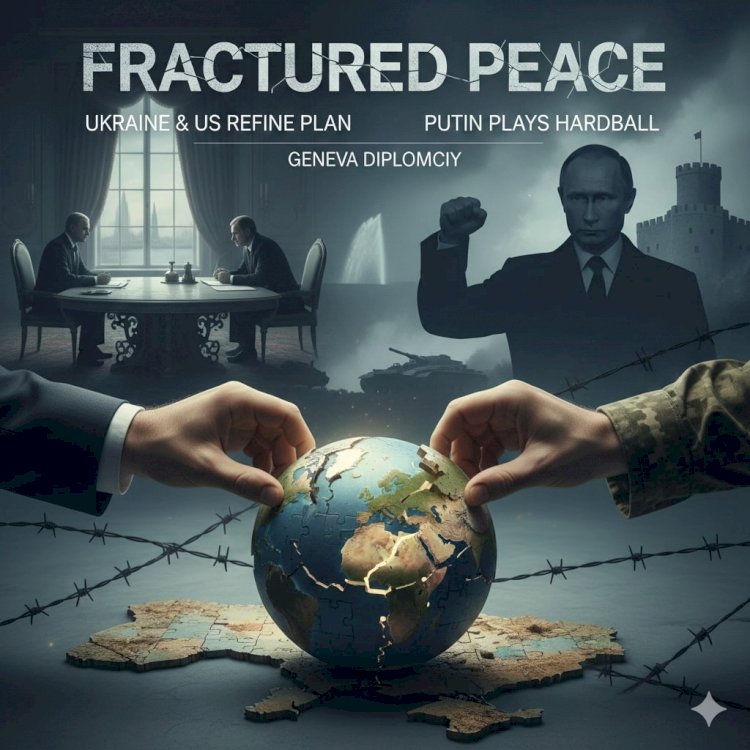
In the shadow of snow-capped Alps, Geneva's diplomatic salons buzzed with guarded optimism on November 24, 2025, as U.S. and Ukrainian officials unveiled a "refined peace framework" to end Russia's brutal invasion— a marked pivot from the Kremlin-leaning blueprint that blindsided Kyiv just days earlier. With European allies like Germany's Friedrich Merz and Britain's Keir Starmer lending muscle, the revised 28-point proposal scraps some of Moscow's most egregious demands, but Russia's lukewarm response and fresh strikes on Ukrainian cities underscore the fragility of any thaw. As President Donald Trump's Thanksgiving deadline looms, the talks teeter between breakthrough and breakdown, with Putin holding all the aces in a game where compromise feels like capitulation.
The Refined Blueprint: From Russian Wish List to Ukrainian Safeguards
What began as a U.S. ultimatum—cobbled from secret backchannels between Trump's envoy Steve Witkoff and Kremlin fixer Kirill Dmitriev—has undergone a surgical overhaul. The original plan, leaked last week, demanded Ukraine cede Crimea outright, recognize Russian control over swaths of Donbas, Kherson, and Zaporizhzhia, and forsake NATO forever, all while capping its military at pre-2022 levels and barring Western peacekeepers. Sanctions on Russia? Lifted. Joint energy deals? Mandated. It was, as Ukrainian FM Dmytro Kuleba quipped, "a surrender dressed as diplomacy."
Geneva's weekend frenzy changed that. U.S. Army Secretary Dan Driscoll, flanked by Secretary of State Marco Rubio's deputies, huddled with Ukraine's Andriy Yermak and European sherpas to excise the most toxic clauses. Gone: blanket territorial recognition, replaced by "phased de-escalation zones" under UN oversight. Military limits? Softened to "mutual force reductions" with verification. NATO's door stays ajar, albeit with a "security architecture" pledge echoing Finland's model. Frozen Russian assets—€300 billion in play—tilt toward Ukraine's rebuild, sweetened by joint ventures only if Moscow withdraws from occupied nukes like Zaporizhzhia.
"We've drafted an updated framework that strengthens, not weakens, Ukraine," Zelenskyy declared in a Kyiv briefing, crediting "partners' input" for the shift. White House Press Secretary Karoline Leavitt echoed the upbeat: "Significant modifications" born of "inclusive dialogue." Yet details remain murky—classified annexes shield the fine print—fueling whispers of a face-saving facade for Trump's "deal of the century."
Putin's Poker Face: "Acceptable Provisions," But No Concessions
Across the Eurasian expanse, Vladimir Putin savored the disarray. In a Friday video call with security chiefs, the Russian strongman dubbed the original plan a "basis for settlement," praising its nods to "root causes" like NATO's eastward creep. But the refinements? "We haven't seen them yet," Kremlin spokesman Dmitry Peskov stonewalled Monday, insisting any deal must honor the "spirit and letter" of August's Trump-Putin Alaska summit. Yuri Ushakov, Putin's foreign policy guru, dangled a carrot: "Many provisions seem quite acceptable," but only if paired with war crimes amnesty and ironclad no-rearmament pacts.
Moscow's coyness masks leverage. Overnight strikes hammered Ternopil and Odesa, killing 12 and blacking out swaths of the grid— a grim reminder that Russian troops inch forward in Donetsk, claiming 1,200 square kilometers since summer. "More cities will fall—inevitably, if not swiftly," Putin warned, framing the talks as a Kremlin win-win: sign a subordinate peace, or watch U.S. fatigue erode Kyiv's arsenal. With oil sanctions biting November 21, Putin eyes the €50 billion EU loan from frozen funds as a bargaining chip, while Turkey's Erdoğan floats Ankara as future host.
Zelenskyy's Tightrope: Dignity Demands Amid Desperation's Grip
For Zelenskyy, the refined plan is a lifeline laced with poison. Polls show 62% of Ukrainians reject land swaps, haunted by Bucha's ghosts and Mariupol's ruins, yet aid shortfalls—U.S. packages stalled in Congress—force hard choices. "We're seeking compromises that fortify us," the president posted, hinting at a White House visit "at the earliest suitable date" to seal revisions with Trump. National Security Council head Oleksandr Lytvynenko teased "final steps" soon, but red lines endure: no sovereignty sellout, no impunity for atrocities.
European bulwarks rally 'round. Merz hailed the "interim result" as a "significant modification," while Starmer recommitted UK "boots on the ground" for post-ceasefire stability. Macron invoked a "Munich-proof" deal to deter re-invasion, and Czech President Petr Pavel warned against excluding Kyiv from the table. Sweden's Tobias Billström vowed non-recognition of annexations, as the EU drafts a human-rights-anchored counterproposal. Yet Hungary's Viktor Orbán gloats at the fractures, blocking asset loans in a veto tantrum.
Shadows of Strikes: Human Cost Clouds the Conference Halls
As envoys sip espresso in Geneva's chill, Ukraine's front burns hot. Saturday's barrage on Ternopil—a western bastion untouched since 2022—left a mother and daughter amid rubble, their story splashed across global feeds. Odesa's port smolders from drone swarms, grain shipments halted, echoing the Black Sea blockade's famine fears. "Peace talks? While they bomb our homes?" fumed a Kharkiv evacuee, her words a microcosm of war-weary resolve.
Critics like Chatham House's Orzhan Alikberov decry the rush as "masterful Russian psyops," buying time for winter advances. Amnesty urges a "rights framework" anchoring any accord, while ex-NATO chief Jens Stoltenberg floats interim cessions for breathing room. Trump's base splits: MAGA hawks cheer "endless war" closure, but isolationists bristle at rewarding aggression.
Horizon of Hope or Hollow Victory?
With Driscoll's Abu Dhabi huddle—bridging U.S.-Russia gaps—slated for Tuesday, the Thanksgiving deadline flexes, Trump musing "big progress" on social media. A Zelenskyy White House dash could crown it, but Russia's silence screams skepticism. As alpine winds whip, the talks test the West's spine: forge a "strong enough" peace, as Macron demands, or risk Munich's echo?
In this November of unspoolings—from Epstein's files to Anfield's ashes—Ukraine's parley hangs in the balance. Zelenskyy's delegation carries not briefs, but a nation's battered dreams. Will Geneva's refinements thaw the freeze, or forge chains in the frost? Putin watches; Europe whispers; Kyiv holds breath. The beautiful lie of peace beckons—but at what fractured cost?