Brussels Bombshell: Ex-EU Diplomat Mogherini Detained in Fraud Probe Shaking Diplomatic Elite
 content-team
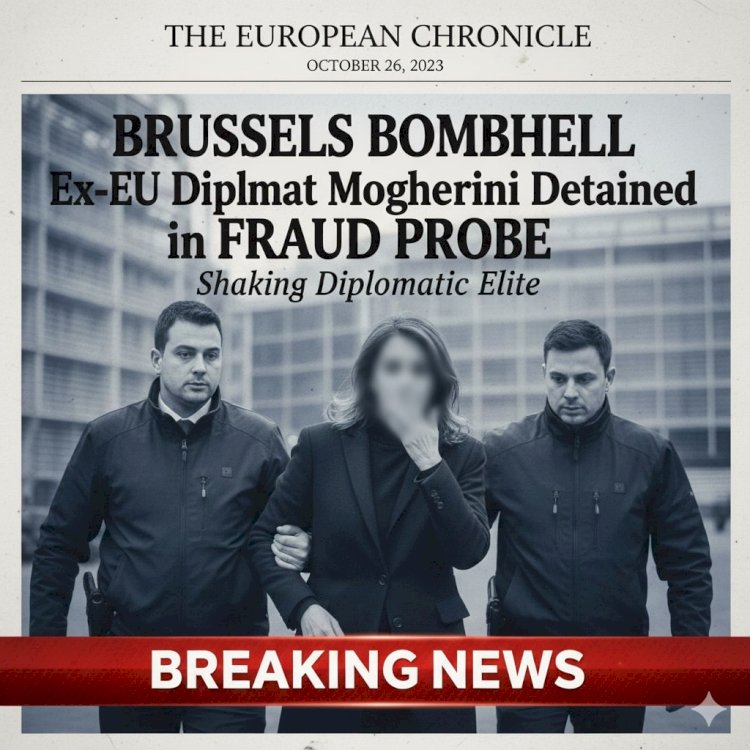
The corridors of European power, usually abuzz with the quiet machinations of bureaucracy, erupted in stunned silence on December 2, 2025, as Belgian police detained former EU foreign policy chief Federica Mogherini in a high-stakes fraud investigation that has ensnared the bloc's diplomatic heart. The 52-year-old Italian, who helmed the European External Action Service (EEAS) from 2014 to 2019 and now serves as rector of the prestigious College of Europe, was among three arrested on suspicions of procurement fraud, corruption, and conflicts of interest tied to EU-funded training programs for junior diplomats. Raids swept through EEAS headquarters in Brussels, the College's Bruges campus, and private residences, leaving the EU's foreign policy machinery reeling and prompting vows of full cooperation from implicated institutions amid fears of a broader rot in the bloc's administrative core.
Dawn Raids and Diplomatic Detentions: The Probe Unfolds
The operation, greenlit by the European Public Prosecutor's Office (EPPO), struck at dawn across Belgium's power centers. Belgian Federal Police, acting on EPPO warrants, cordoned off the EEAS's Schuman district offices—home to 5,000 staff coordinating the EU's global outreach—and the ivy-clad halls of the College of Europe, Europe's premier diplomatic finishing school. Mogherini, detained in Brussels along with College deputy head and a third unnamed figure from "diplomatic circles," faced questioning on alleged misuse of EU grants for a junior diplomat training initiative launched during her EEAS tenure.
EPPO spokesperson, in a terse midday statement, described the probe as targeting "suspected fraud related to EU-funded training for junior diplomats," without naming suspects but confirming three detentions. Sources close to the investigation, speaking to Reuters and The Guardian, identified Mogherini and senior EU official Stefano Sannino—former EEAS secretary-general under her watch—as key figures. Sannino, who oversaw Middle East and North Africa affairs until 2024, was hauled in alongside a College executive education staffer. No formal charges have been filed, but the probe, initiated by the EU's anti-fraud office OLAF in late 2024, centers on procurement irregularities: inflated contracts, rigged tenders, and potential kickbacks in a €15 million program training 500 young envoys.
Mogherini, the charismatic socialist who brokered the 2015 Iran nuclear deal and championed EU diplomacy in turbulent times, was released on bail by evening but barred from leaving Belgium or contacting co-suspects. Her spokesperson issued a defiant denial: "Federica Mogherini categorically rejects all allegations and will fully cooperate to clear her name." The College, in a measured release, affirmed "commitment to the highest standards of integrity" and pledged transparency, while the EEAS—under new High Representative Kaja Kallas—vowed an internal review.
From Iran Deal to Indictment Whispers: Mogherini's Meteoric Rise and Fall
Mogherini's journey from Italian foreign minister (2014) to EU high representative was a masterclass in soft power: the first woman in the role, she navigated Brexit's Brexit, Trump's tariffs, and Putin's Crimea gambit with a blend of pragmatism and idealism. Post-2019, she pivoted to academia, assuming the College of Europe's rectorship in 2020—a plum perch blending prestige with influence, overseeing programs that groom Europe's diplomatic future.
The probe's tendrils trace to her EEAS days, when the Diplomatic Academy—a €20 million flagship for junior training—was born. Investigators allege favoritism in vendor selection, with OLAF flagging "irregularities" in 2023 audits: contracts ballooned 25% without bids, and a College-linked firm pocketed €3 million for "consultancy." Sannino, Mogherini's trusted deputy, allegedly steered approvals, per Euractiv sources. No evidence of personal enrichment has surfaced, but the whiff of cronyism—amid EU fraud scandals like Qatargate—has tainted her legacy.
Belgian media, from Le Soir to VRT, splashed the arrests across front pages, dubbing it "Diplomacy's Dark Day." Euractiv's Eddy Wax called it "the biggest blow to EU foreign policy credibility since Borrell's gaffes."
EU in Turmoil: Raids, Resignations, and a Reckoning
The sweeps exposed fissures. EEAS staff, in a leaked memo, decried "witch hunt" fears, while College alumni—diplomats from Brussels to Beijing—mourned a "stain on excellence." Kallas, Borrell's successor, faced immediate heat: opposition MEPs demanded her testimony, and Greens leader Terry Reintke thundered, "Corruption at the core erodes our global voice." OLAF's handover to EPPO in 2021 amplified the probe's bite, with prosecutors wielding prosecutorial teeth absent in softer audits.
Globally, ripples spread. Iran's foreign ministry, recalling Mogherini's JCPOA role, snarked at "Western hypocrisy"; Italy's Giorgia Meloni, a Mogherini rival, pledged consular support but eyed scrutiny. The Vatican, via a Jesuit network, offered "spiritual solidarity."
Families and Fault Lines: A Diplomatic Dynasty's Day of Reckoning
For Mogherini—mother of two, married to diplomat Matteo Reale—the arrest is personal apocalypse. Colleagues recall her as "the EU's velvet glove," but whispers of "imperious" management now fester. Sannino, the technocrat, faces career eclipse; the third detainee, a College mid-leveler, embodies the probe's breadth.
As December dawns, the EPPO's gears grind: indictments could land by spring, trials by fall. For Brussels' elite, it's a mirror: power's perks, peril's price. In the College's hallowed halls—where Kissinger and Borrell once lectured—Mogherini's shadow looms. Will justice illuminate, or obscure? The probe presses on, a scandal's slow burn in Europe's diplomatic furnace.