U.S.-Iran Tensions Reach Boiling Point as Naval Armada Approaches and Threats Fly
 content-team
January 30, 2026
The standoff between Washington and Tehran has intensified dramatically, with President Donald Trump warning that a massive U.S. naval force is closing in on Iran and time is rapidly running out for a nuclear agreement. Iranian officials have responded with stark vows of immediate and powerful retaliation, positioning their forces to counter any aggression and raising fears of a broader regional conflict.
The escalation centers on demands for Iran to abandon its nuclear ambitions entirely, halt ballistic missile development, and cease support for proxy groups across the Middle East. Trump has repeatedly emphasized that failure to negotiate a fair deal would trigger military consequences far exceeding previous actions.
Massive U.S. Naval Buildup Signals Readiness
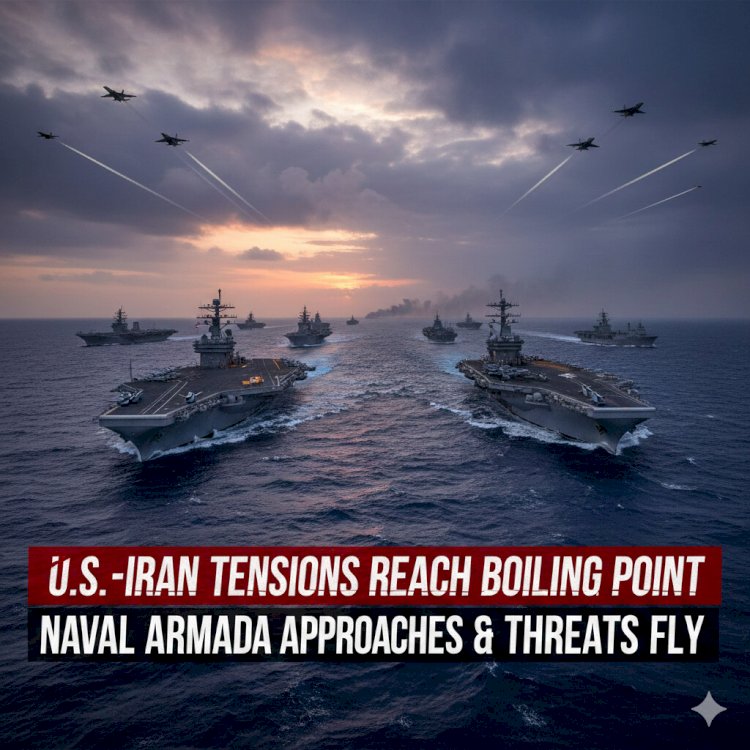
A formidable U.S. carrier strike group led by the USS Abraham Lincoln has entered Middle Eastern waters after redirection from other regions, accompanied by guided missile destroyers, additional warships, and supporting assets. Recent deployments include advanced vessels docking in strategic locations such as the Gulf of Aqaba near Israel, bolstering an already substantial American presence of tens of thousands of troops across bases in the Gulf and beyond.
Trump described the armada as moving with great power, enthusiasm, and purpose, ready to act swiftly and violently if necessary. He has urged Iran to return to the negotiating table quickly, stating that discussions have occurred and more are planned, yet insisting no deal can allow Tehran to pursue nuclear weapons.
Iran Vows Crushing Response to Any Strike
Tehran's leadership has matched the rhetoric with firm warnings. Foreign Minister Abbas Araghchi declared that Iran's armed forces stand prepared, fingers on the trigger, to respond immediately and powerfully to any aggression by land, air, or sea. Military spokesmen highlighted that numerous U.S. assets in the Gulf fall within range of Iran's medium range missiles, while fast attack craft and missile launching vessels have deployed near American naval positions.
The Islamic Revolutionary Guard Corps Navy has positioned hundreds of vessels close to the USS Abraham Lincoln in the Arabian Sea, and a major live fire exercise is scheduled in the Strait of Hormuz in the coming days. Officials stressed that any U.S. attack would prompt an unrestricted retaliation, potentially targeting bases, carriers, and international shipping routes critical to global oil flows.
Diplomacy Scrambles Amid Brinkmanship
Despite the heated exchanges, signs of back channel efforts persist. Araghchi indicated openness to fair and just nuclear talks on equal footing, based on mutual respect and without coercion or demands to limit Iran's defense capabilities, including missiles. No direct meetings have been confirmed, and Iran insists negotiations cannot proceed under military threat.
Regional players have stepped in to mediate. Turkey has hosted discussions and offered to facilitate dialogue, while Iraq has engaged both sides to prevent escalation and protect stability. These initiatives reflect growing international concern that miscalculation could spark a devastating confrontation involving proxies, oil disruptions, and wider instability.
Nuclear Program Remains Core Flashpoint
The dispute traces back to longstanding suspicions over Iran's nuclear activities. Previous U.S. and allied strikes in 2025 damaged key facilities, setting the program back significantly according to assessments, though reconstruction efforts continue, including efforts to fortify sites deeper underground against future attacks. Trump has tied current threats directly to preventing any revival or advancement toward weapons capability.
Iran maintains its program serves peaceful purposes and accuses the U.S. of using military pressure to dictate terms. Officials reject curbs on missiles or regional alliances as non negotiable red lines.
What Lies Ahead in a Volatile Region
As warships maneuver and statements grow sharper, the coming days could determine whether diplomacy prevails or the situation spirals into open conflict. With global energy markets watching closely and allies on high alert, both capitals face immense pressure to find an off ramp before threats turn into action. The stakes could hardly be higher for peace in the Middle East and beyond.