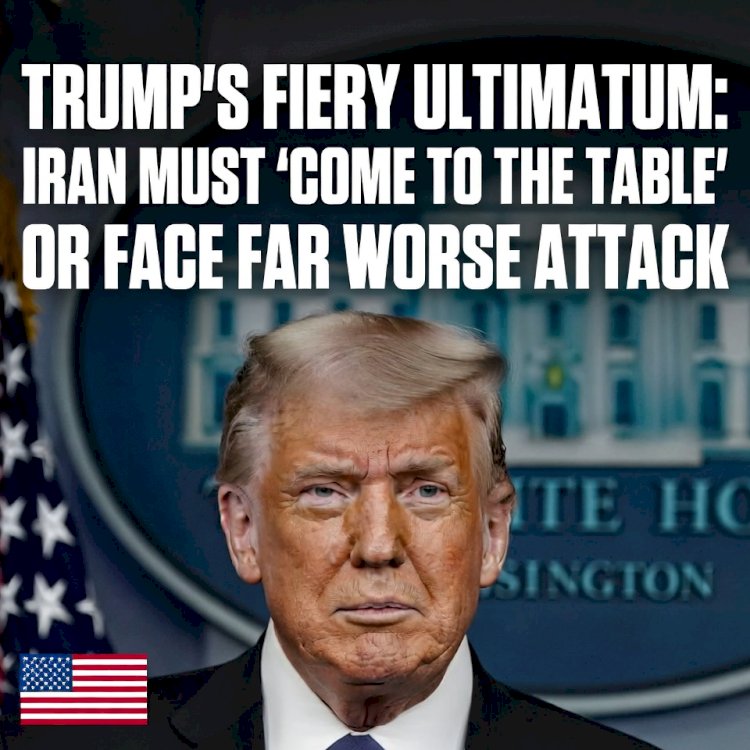
Trump's Fiery Ultimatum: Iran Must 'Come to the Table' or Face Far Worse Attack
 content-team
January 29, 2026
President Donald Trump escalated tensions with Iran on Wednesday, issuing a stark ultimatum via social media that demanded Tehran abandon nuclear weapons ambitions and negotiate a new deal immediately or risk a devastating military strike far more severe than previous actions.
Direct Warning from the Oval Office
In a post on Truth Social, Trump warned that time is running out for Iran to engage in talks, emphasizing a fair and equitable agreement with no nuclear weapons allowed. He referenced a prior U.S. military operation that he claimed inflicted major destruction on the country, stating the next attack would be far worse if provoked.
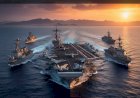
The president highlighted the deployment of a massive U.S. naval armada, led by the USS Abraham Lincoln aircraft carrier, now positioned in the Middle East and ready to act with speed and violence if necessary. Trump urged Iranian leaders to make a deal, adding that hopefully they would quickly come to the table for an accord beneficial to all parties.
Iran's Defiant Response
Iranian Foreign Minister Abbas Araghchi swiftly rebuffed the threats, declaring that Iran's armed forces have their fingers on the trigger and are prepared to respond immediately and powerfully to any aggression. He insisted that diplomacy cannot occur under the shadow of military intimidation, rejecting claims that Tehran had reached out for negotiations.
The exchange comes amid ongoing U.S. pressure over Iran's recent crackdown on anti-government protests, which Trump has previously condemned. Iranian officials maintain that the protests have been suppressed and accuse Washington of interfering in internal affairs.
Broader Context of Heightened Tensions
The ultimatum follows a period of strained relations, including U.S. sanctions and military posturing in the region. Trump has mixed signals of openness to talks with warnings of force, claiming Iran wants a deal based on alleged outreach attempts.
Analysts view the armada's movement as a show of strength, potentially aimed at deterring further escalation while pushing for concessions on nuclear issues. The deployment includes advanced assets capable of rapid strikes, underscoring the administration's readiness.
Global Reactions and Diplomatic Fallout
Allies like Turkey have called for de-escalation, urging step-by-step resolutions to avoid miscalculation. Anti-U.S. sentiments have flared in Tehran, with public messaging reinforcing resistance to external pressure.
As the armada nears position and rhetoric intensifies, the international community braces for potential fallout, including impacts on oil markets and regional stability. Questions linger over whether Trump's high-stakes approach will force negotiations or spark a broader crisis.
With time declared of the essence, the coming days could determine if dialogue prevails or if the standoff spirals further in one of the Middle East's most volatile flashpoints.